





Trending
Now
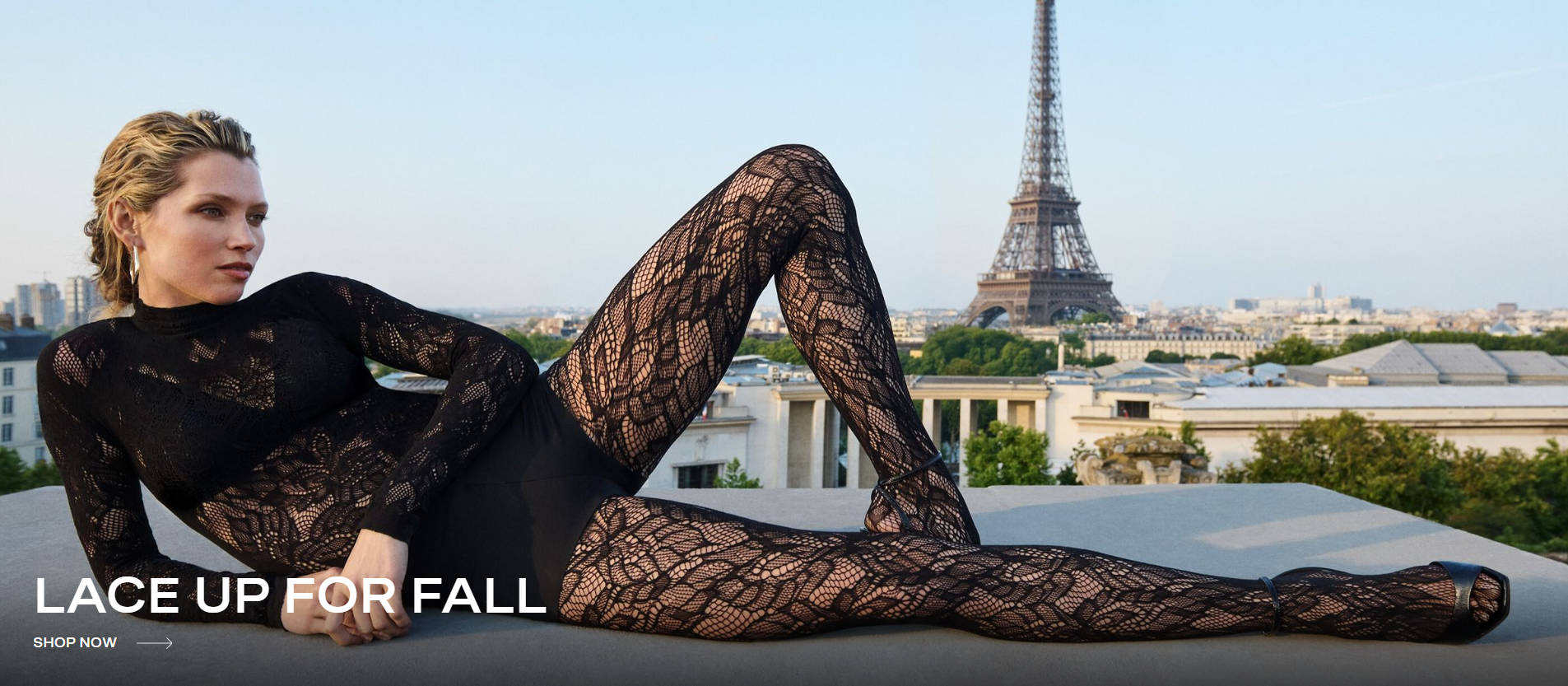
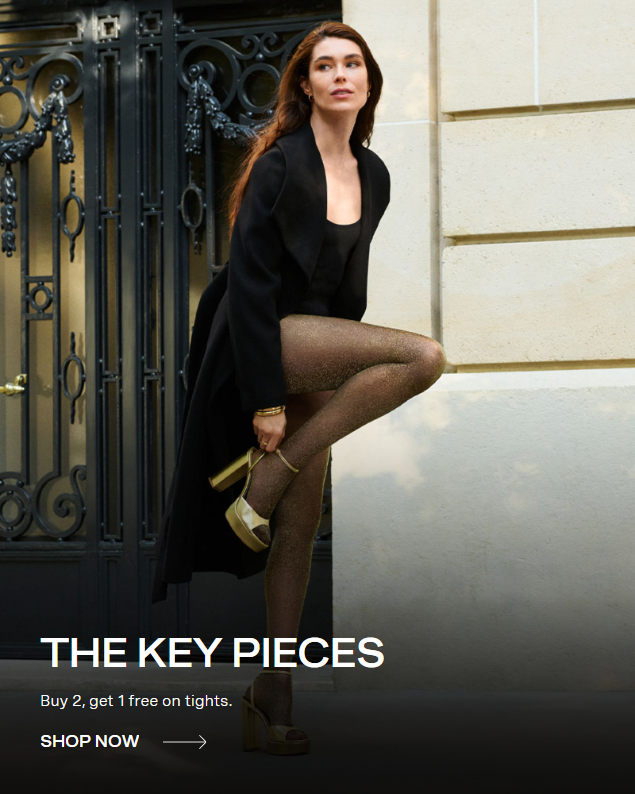
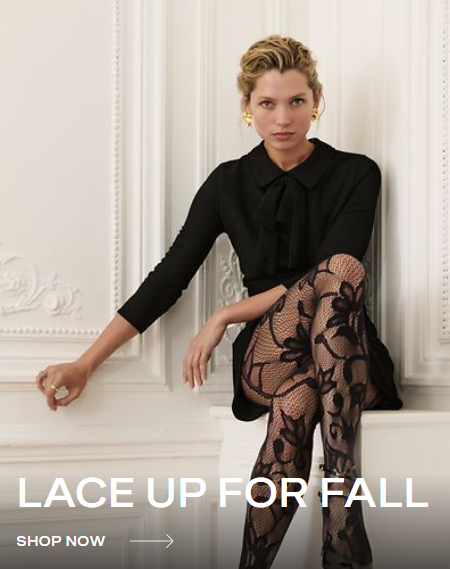
Embrace the new season with the styles defining today’s fashion scene.
Buy 3, Get 3 Free
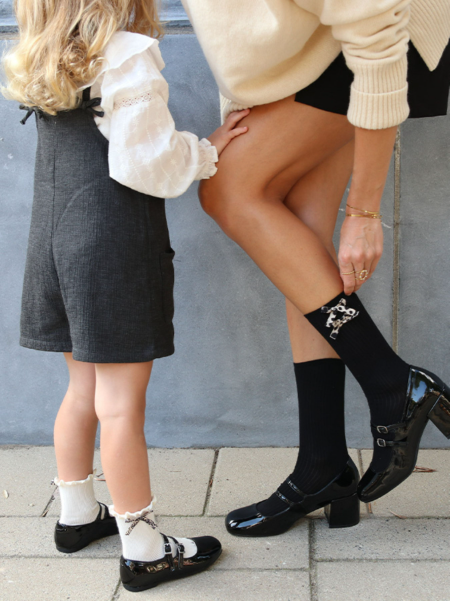
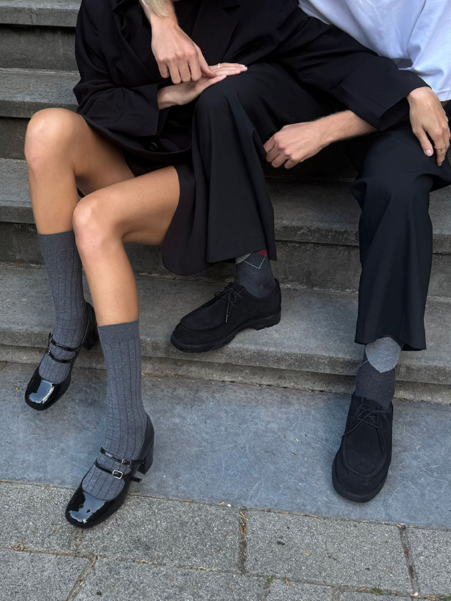
Matchy Socks
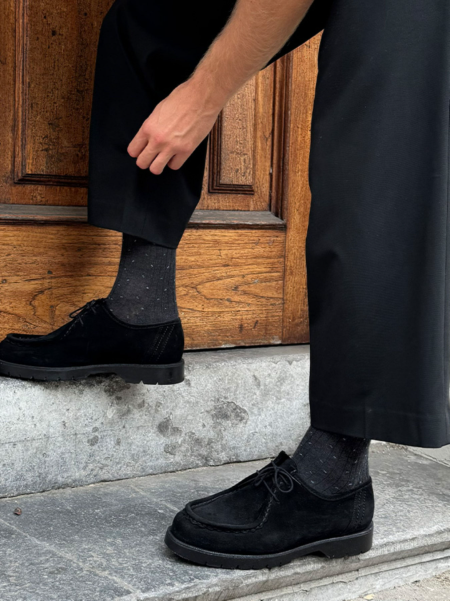
Men’s Edit
The evolution of fine leg coverings, particularly those of a translucent or semi-sheer nature, is a fascinating study in fashion’s responsiveness to societal and material change. What began as a garment rooted in practical needs—warmth, protection, and modesty—has transformed into a complex aesthetic tool. The narrative of this accessory is not just one of fabric and design, but one that mirrors the progress and shifting self-perception of those who wear it, especially women. It is a canvas stretched over the limb, sometimes blending in, sometimes standing out, but always contributing significantly to the visual story of an outfit.
One of the most compelling chapters in this history is the period of material innovation that occurred in the 20th century. The introduction of engineered fibers completely revolutionized the industry. These new threads offered unprecedented strength, elasticity, and a beautiful, shimmering translucency that traditional silk could not consistently match at a comparable cost. This moment was a turning point, making the look of smooth, flawless legs attainable for virtually everyone. This accessibility changed the visual landscape of public life, establishing the smooth, polished appearance as the new baseline for feminine dress in many cultures. The sheer finish became synonymous with the ideal of a modern, well-dressed individual.
The psychological impact of this garment is also noteworthy. Many wearers describe the feeling of wearing a fine leg covering as one of instant composure. It offers a sense of completeness and a visual confidence boost, acting like a light foundation for the legs that minimizes imperfections and unifies the skin tone. In fashion psychology, the act of putting on these delicate garments signals a deliberate transition into a more formal or refined mindset. It’s a small ritual that prepares the wearer for presentation, whether for a professional meeting or a significant social event. This inherent structure and visual polish are often cited as key reasons why the accessory endures, even in an era that broadly champions bare skin and casual dressing.
The creative freedom afforded by this garment is also a major draw for contemporary designers. No longer confined to neutral skin tones, the garment is now a playground for texture, color, and intricate graphics. High-fashion runways frequently showcase brightly colored, geometric, or heavily patterned sheer legwear, effectively transforming it into the central focus of the look. This use demonstrates its power as a stylistic punctuation mark, an element that can inject irony, whimsy, or intense drama into an otherwise simple dress or short skirt. For the everyday dresser, this translates to an easy way to participate in current trends without overhauling an entire wardrobe. A bold pair of patterned or richly colored tights can instantly update classic tailoring or revive a timeless dress.
Furthermore, the revival of pieces that require complementary undergarments—like traditional thigh-high stockings paired with a suspender belt—represents an interesting return to vintage sensibilities. These styles, once purely functional to hold the garment in place, now carry an added layer of sensual or nostalgic appeal. They emphasize structure and meticulous layering, speaking to a conscious, thoughtful approach to dressing that values hidden detail as much as visible style. This complexity moves the garment beyond mere covering to become an intricate part of a personal aesthetic.
In conclusion, the fine leg covering is far more than a simple layer of material. It is a historical marker, an object of desire, a subtle tool for visual refinement, and a dynamic canvas for artistic expression. Its continuous reinvention across the decades—from an aristocratic textile to a mass-market essential, and now a high-fashion statement—underscores its unique adaptability. It has survived cultural shifts, material shortages, and countless trend cycles because of its fundamental ability to enhance, polish, and transform the wearer’s appearance. It remains an integral thread in the tapestry of modern dress, continuing to weave its influence into the future of style.